
In 2026, more and more travelers are choosing less popular destinations for their vacations.
In an attempt to avoid the traditional crowds of tourists in popular cities like Barcelona or Venice, tourists are looking for lesser-known destinations to experience a more relaxed and affordable vacation.
More and more tourists are choosing little-known destinations
According to a fresh report by the Omio platform, while many capitals experienced their finest hour last year, this trend is about to change.
“In 2026, 21% of travelers want to go to lesser-known places. Travelers cite lower prices (51%), fewer tourists (44%), and unique attractions or culture (40%) as reasons to visit smaller metropolitan areas next year. We also observe a similar trend according to Omio data: the number of bookings to second-tier cities increased by 34% (year – on-year),” the authors of the study note.
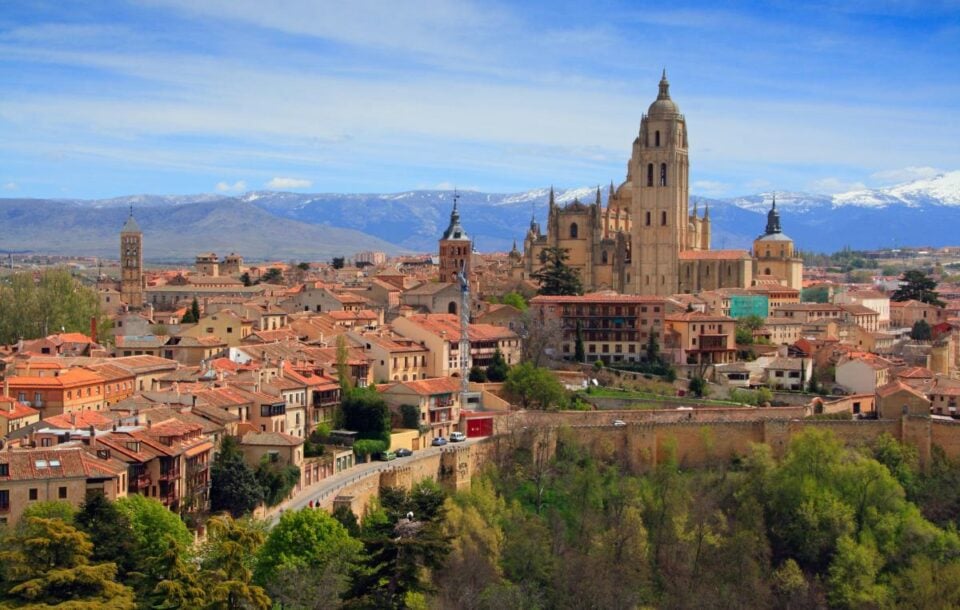
Spanish Segovia is experiencing the greatest surge of interest among tourists
This city in central Spain, with a population of only 55,000, has seen a 96% increase in interest.
It is located just 90 kilometers from the Spanish capital, Madrid, and is part of the pilgrimage route of Saint James.
Segovia is included in the UNESCO World Heritage List and has the status of a museum city.
Among the city’s main attractions are the Gothic Cathedral of Segovia and the Alcázar Palace, the residence of Spanish kings.
10 lesser-known European cities that are rapidly gaining popularity
- Segovia, Spain (+96%).
- Murcia, Spain (+86%).
- Bari, Italy (+85%).
- Antwerp, Belgium (+69%).
- Ghent, Belgium (+66%).
- Malaga, Spain (+63%).
- Faro, Portugal (+51%).
- Krakow, Poland (+51%).
- Bruges, Belgium (+49%).
- Rotterdam, Netherlands (+49%).