
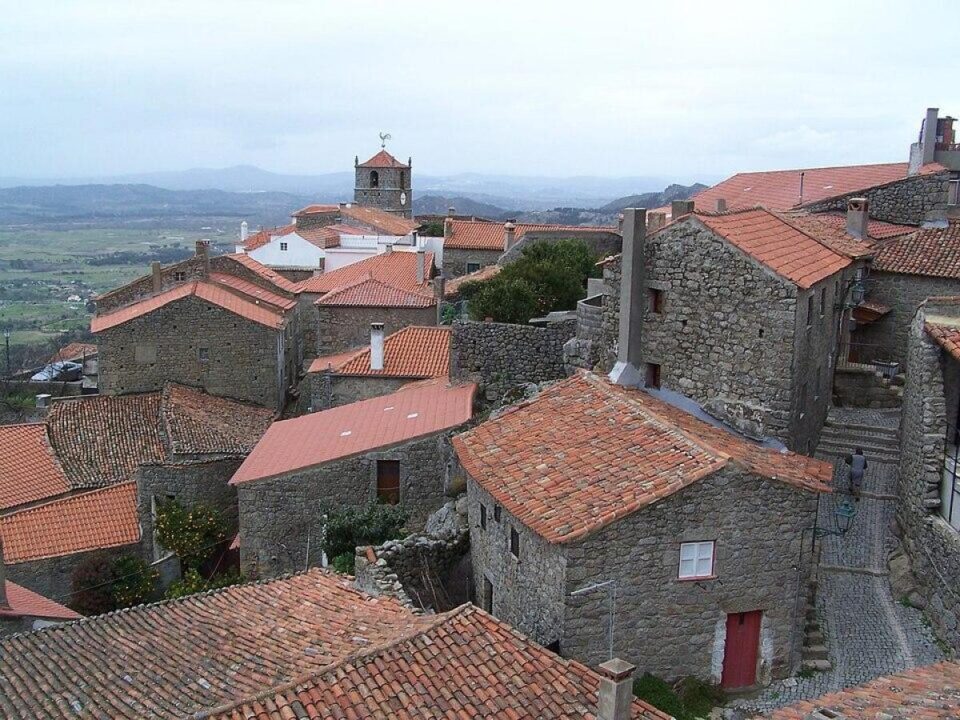
This ancient settlement, founded eight centuries ago, is home to one of the most significant archaeological sites in the region.
Portugal boasts a lot of attractions. The cities of Lisbon and Porto are incredibly popular, and tourists flock there to walk along the beautiful winding streets and try delicious food. This is reported by the Daily Express.
It is noted that there is a corner of Portugal far from civilization that many people never see.
“This village is a real gem, but for those who know, it’s one of the best places in the country. In fact, Castelo Novo in Portugal has received international recognition from the United Nations World Tourism Organization (WTO).
The WTO evaluates villages based on strict criteria that include sustainability, opportunities for local residents, security, and the preservation of cultural and natural resources.
Castelo Novo in Portugal has earned recognition as one of the best tourist villages in the world. This ancient settlement, founded eight centuries ago, is home to one of the most significant archaeological sites in the region. The Roman baths of Quinta do Hervedal are a major attraction for tourists visiting Castelo Novo. The WTO noted:
“The earliest mention of Castelo Novo, then known as Alpreda, dates back to around 1202 AD. To protect his kingdom from any potential threats, King Dinis rebuilt the village’s castle, adopting typical Gothic features, and commissioned several medieval-style buildings.”
Interestingly, the village has also been recognized for its pioneering efforts in sustainability, becoming the first place in Portugal to achieve full carbon neutrality. Castelo Novo offers five electric vehicles to transport visitors from nearby train stations.
“A secret kingdom. Located in the heart of the Beira Baixa region, once the capital of Portugal, this is a picturesque stone village overlooking the Garduna Mountains. There is an excellent tourist center here,” said a tourist who visited the village.
It is important that visitors can also learn about the traditional methods of grape pressing used by the former residents and explore the historical estates of the settlement.
Those who explore the area can follow the “Miller’s Path” to see the windmills that were once an integral part of village life.
It is noted that the trip to Castelo Novo from Lisbon takes about three and a half hours by train or two and a half hours by car. The village is also located in close proximity to Coimbra, an attractive riverfront city in Portugal that boasts a medieval Old Town. The trip takes just under two hours. Castelo Novo is positioned as an accessible destination for a day trip from the city.