
The Spanish island of Mallorca is a tourist paradise that Europeans love. However, this popularity has led to protests by locals against mass tourism. In this article, we will explore how visitors are perceived in the island’s famous resorts, when is the best time to visit, and what to see.
When is the best time to visit Mallorca?
In any travel guidebook or travel agency, you will be told that you can visit Mallorca (as the Spanish call the island) at any time of the year, as the weather is sunny almost all year round, and there are many activities to enjoy besides beach vacations.
However, it so happened that the opportunity to see the largest of the Balearic Islands in the Mediterranean Sea came in the middle of October. The travel agency did a great job, and as a result, six full days (five nights) of “all-inclusive” with extremely favorable flight details (arrival at 8 a.m. on the day of arrival and departure in the late evening on the day of departure) with transfer and flight costs 450 euros. Yes, it was a three-star hotel, but with high-quality food, 50 meters from the beach, not in the most luxurious resort area, but in a cozy location.
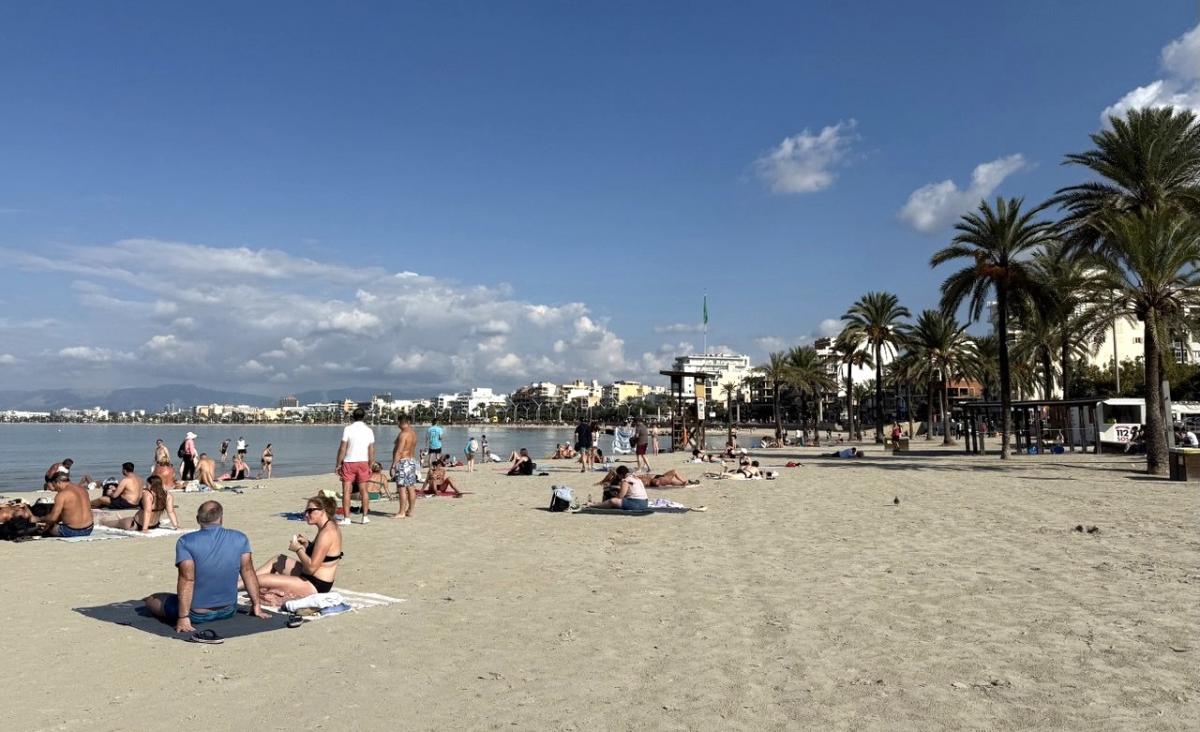
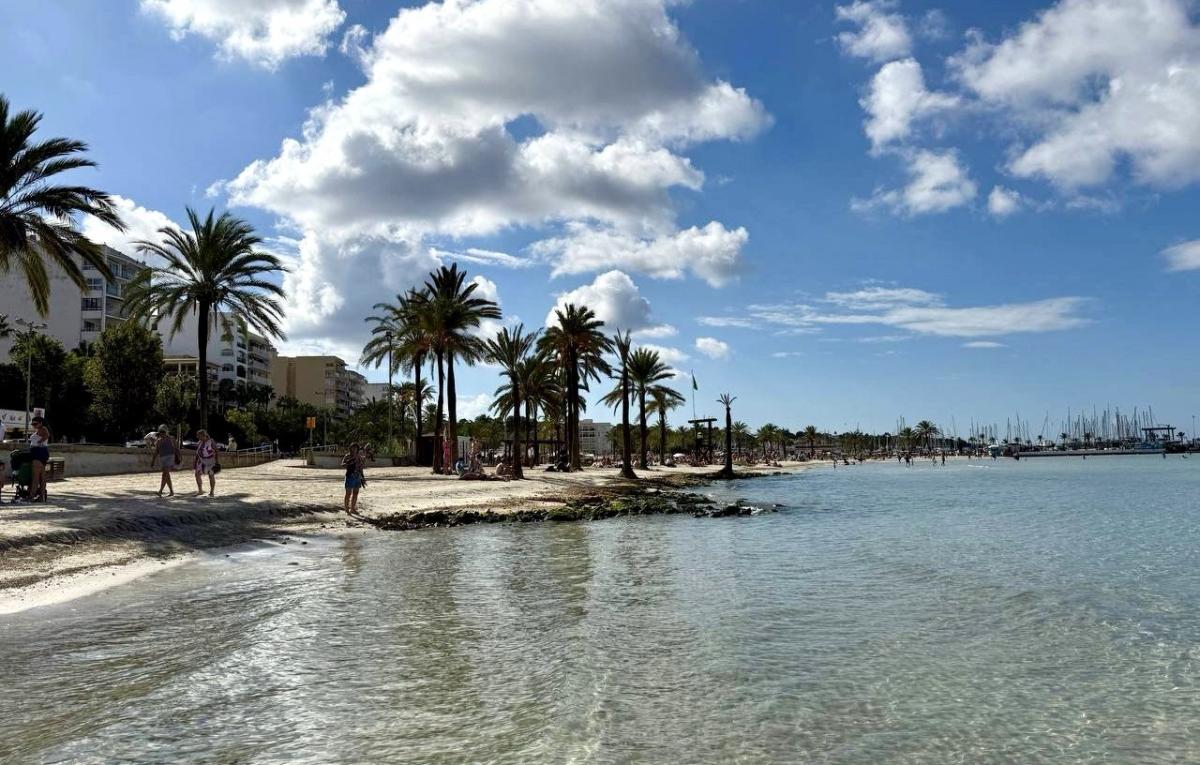
And, most importantly, in the middle of October, you could swim in the sea every day – the water temperature ranged from 23 degrees (in Croatia, the sea is not always warm during the season), and the air temperature was about the same, so you even had to apply sunscreen. The only downside was the frequent rains, which were strong but warm and lasted for about half an hour. Locals say that this is common for this season.
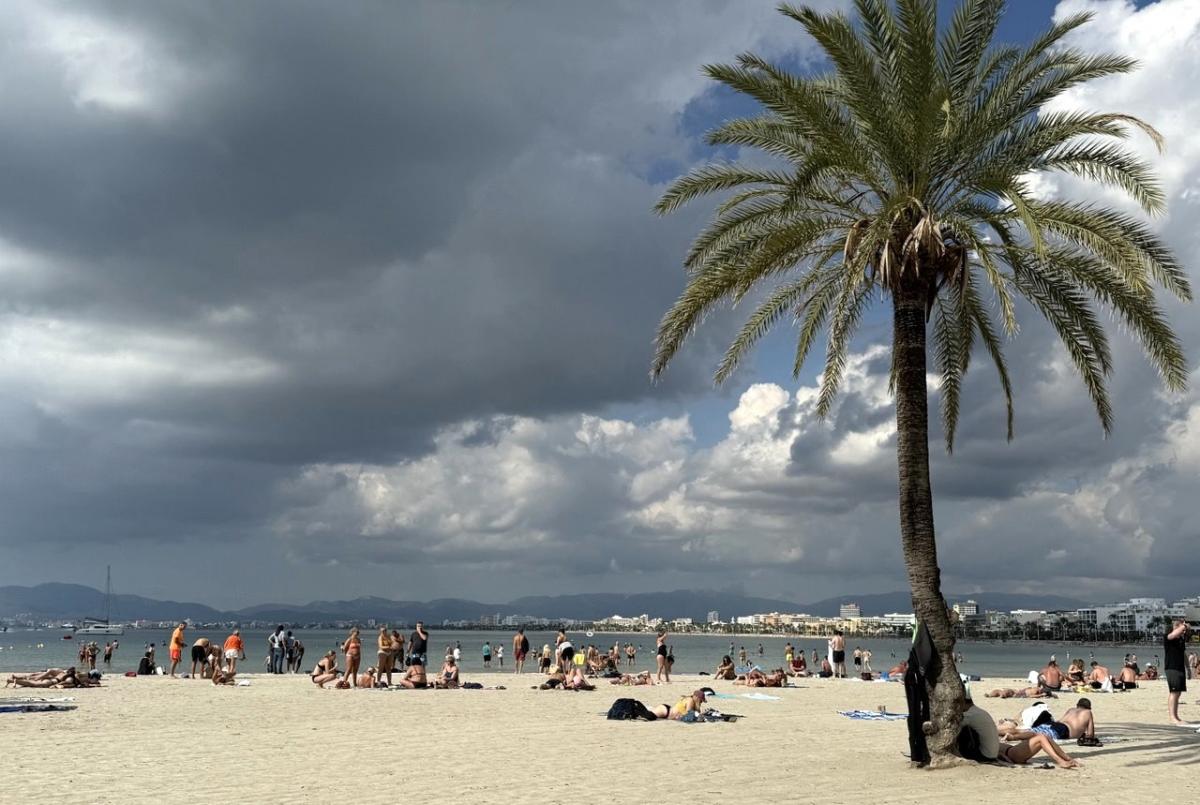
In general, from conversations with local residents it became clear that each season in Mallorca is unique in its own way, and there are many interesting things to do if the goal of a tourist’s vacation is not just to enjoy the beach and the sea.
Spring, preferably April-May, and sometimes part of June, is the best time for those who love peace, blooming mountains, and a comfortable temperature: the air warms up to +26-27°C, the sea is already warm, but not yet crowded with tourists. Swimming is sometimes possible as early as May, when the water warms up to an average of 20 degrees.
“Residents of the Baltic and cold countries, as well as Germans and Scandinavians, who consider the sea to be warmer than 17 degrees Celsius, often choose this period for their vacations,” said Oksana, a co-owner of a small hotel on the coast of Mallorca, a few dozen kilometers from the island’s capital. “Tourists start sending requests for the next season already, and we often have reservations for the spring six months in advance.”
The hottest time of the year in Mallorca is July and August. During this time, the island is in full swing with festivals, beaches, vibrant nightlife that lasts until morning, karaoke bars, and endless yacht promenades in the sea near the island. The temperature reaches +32°C (sometimes even higher), and the sea water warms up to 26-27°C.
By the way, locals say that the actual water temperature on the beaches of Mallorca is 1-2 degrees warmer than the forecasts of weather agencies, because the latter take measurements at a distance from the coast, where the temperature of the deep water is lower than in the swimming area.
“Many tourists consider September-October to be the ideal time for recreation and swimming: the sea is still warm at this time, but the sun is no longer scorching like crazy, it is comfortable to walk, explore the island, admire the beautiful architectural monuments, and try local dishes, – says Oksana. – There are tourists, although not many, who are interested in Mallorca even in November or winter, at this time there is a silence and comfort, the prices are low, you can enjoy the sea air, climb the mountains. By the way, cycling, excellent conditions, and many hiking trails are the most popular ways to relax after swimming in the sea. Moreover, there are truly unique places in Mallorca, including those listed as UNESCO World Heritage Sites.
The most beautiful places in Mallorca
Mallorca is really interesting and diverse and can satisfy the demand for any type of vacation, of course, if you have the desire and finances. In addition to the architectural delights of the atmospheric Spanish cities, there are also cool locations for hiking and cycling.
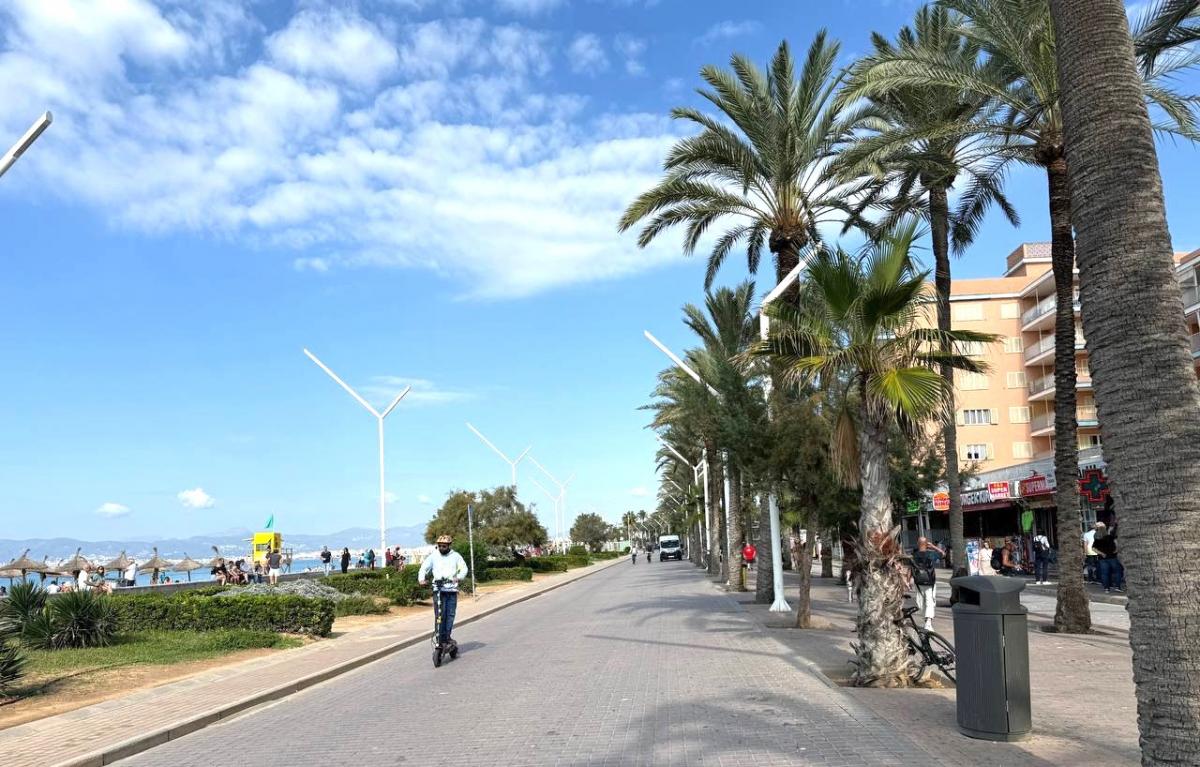
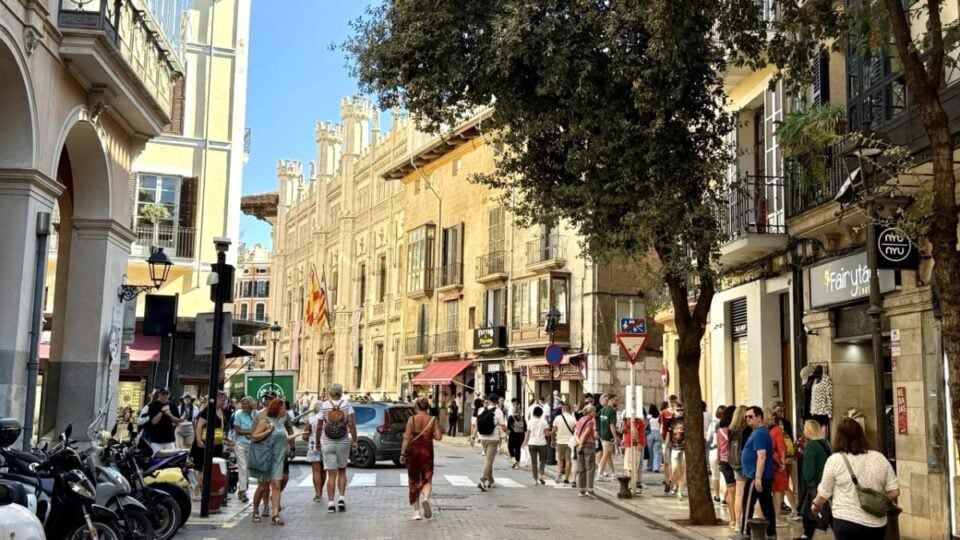
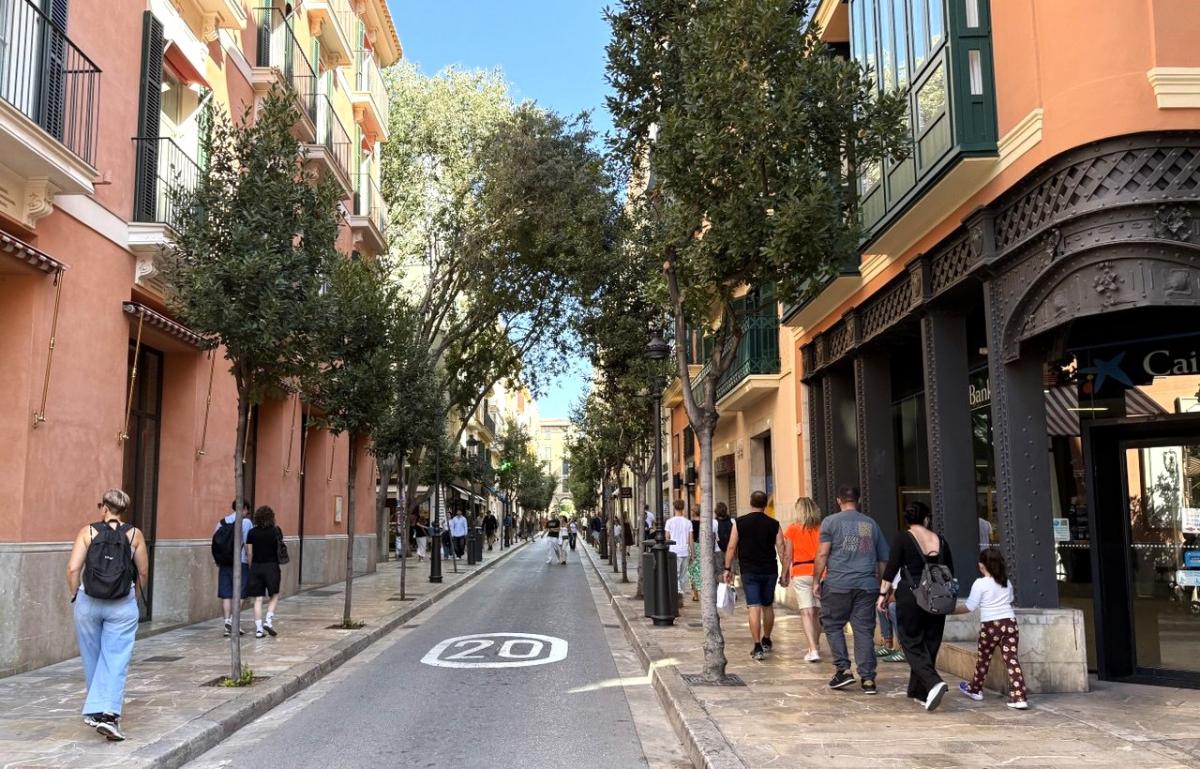
First of all, during your stay in Mallorca, it is worth visiting the capital city: Palma, or Palma de Mallorca, is the largest city in the Spanish autonomous community of the Balearic Islands. Anyone who visits the resort falls in love with the old city, which is filled with narrow streets and is a mix of Gothic grandeur, Mediterranean charm, and cozy, green spaces. It is especially comfortable to walk around the capital and admire its beautiful views in April-May or October-November, when the weather is pleasant for walking and the sun is not too hot.
There is a well-established bus service to the island’s capital, with buses departing from various resorts almost continuously. Although many travel guides suggest that credit cards can be used for payment (the larger the group, the more advantageous it is), the author was unable to verify this. The driver requested cash, resulting in a one-way trip of 40 minutes that cost 2 euros.
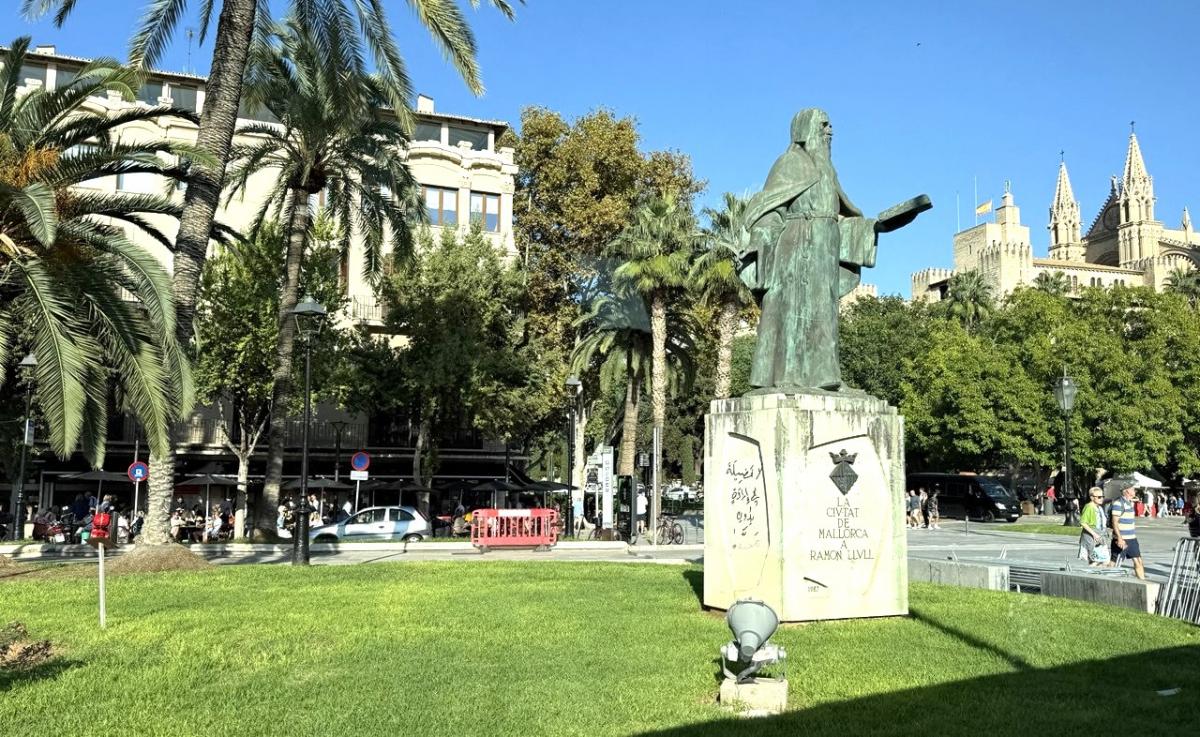
In the capital, the first thing to visit is the Palma Cathedral, also known as La Seu. This is the main Catholic church in Majorca and one of the most famous cathedrals in Spain. It has been under construction for several hundred years, starting in 1229 on the site of a former mosque, and was finally completed in the 17th century. As a result, the cathedral combines various styles and eras, including Gothic, Renaissance, and even Art Nouveau elements.
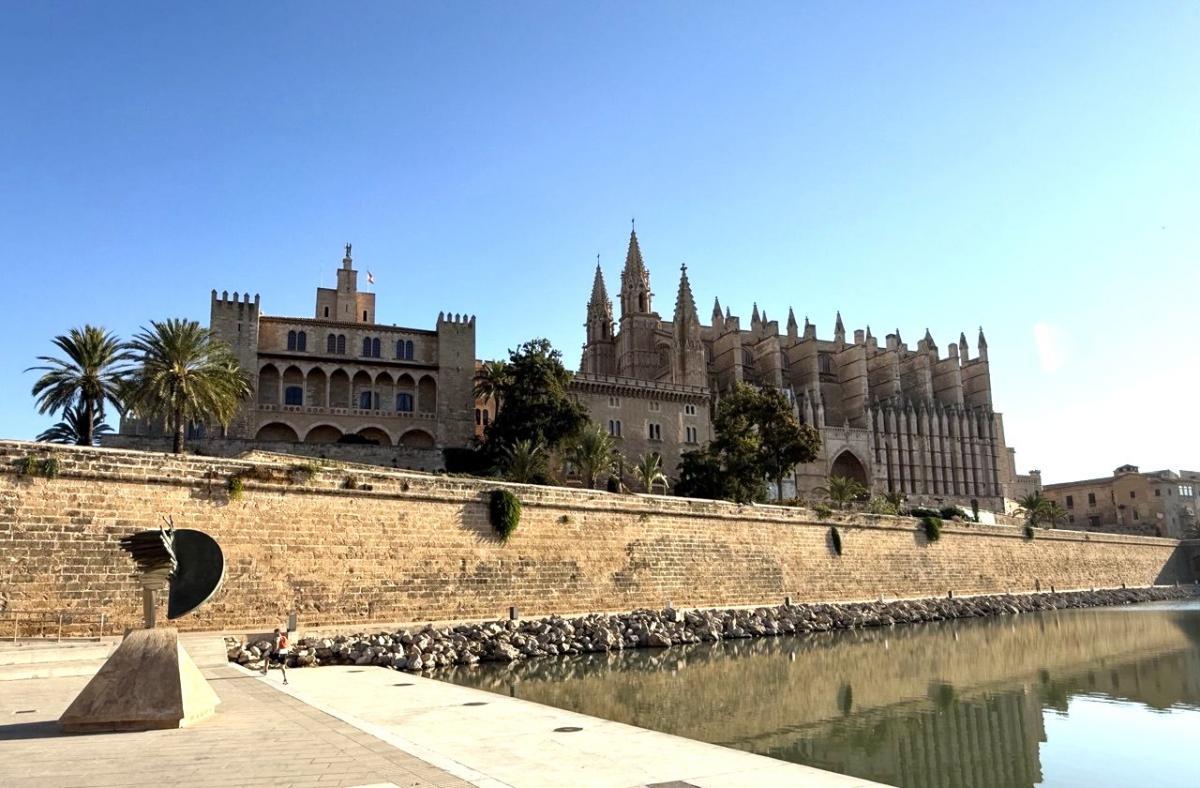
The cathedral is impressive in size, with a length of over 120 meters and a central nave that is almost 45 meters high. This makes it one of the tallest Gothic cathedrals in Europe. When viewed from the waterfront, the cathedral appears to rise out of the water, creating a stunning visual effect.
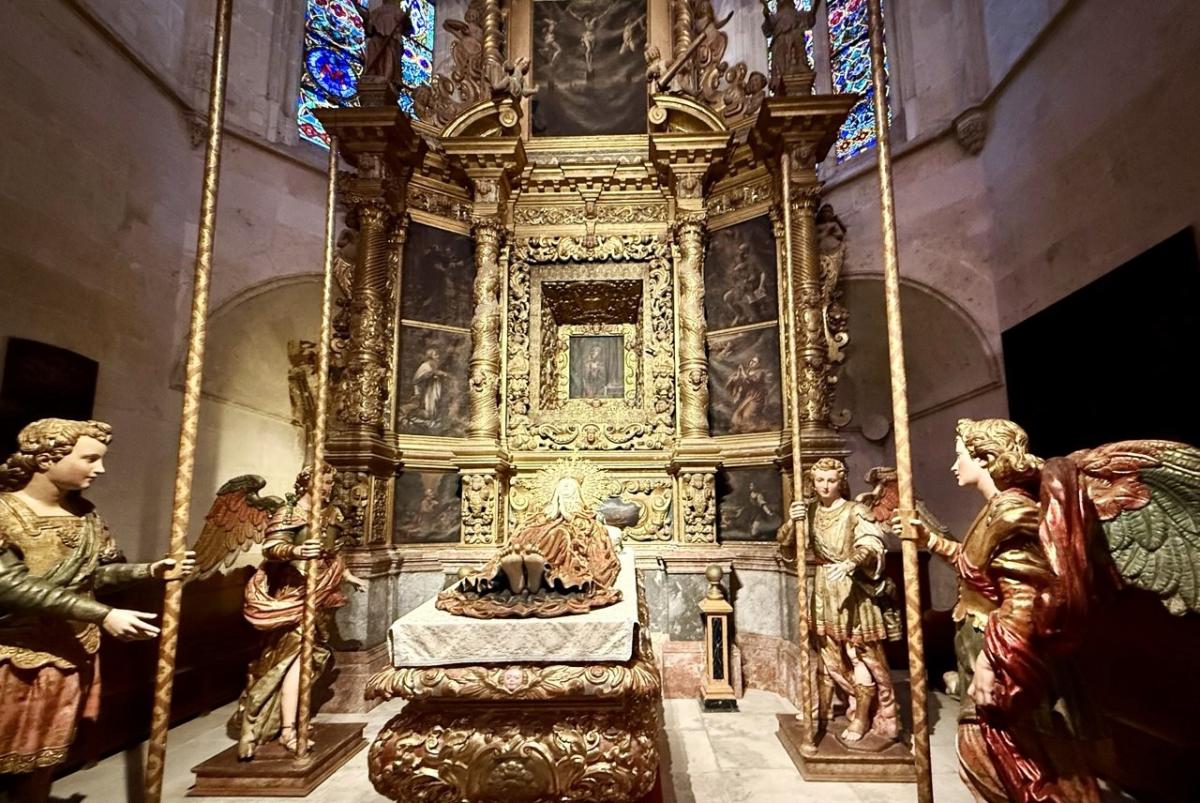
The entrance to the cathedral for a tour costs 10 euros. If you want to get inside without any hassle, it’s best to purchase your ticket online in advance, as there is usually a long queue in front of the cathedral, and holders of e-tickets are allowed to enter without waiting. Additionally, consider arriving in the morning, as the cathedral opens its doors at 10 a.m. local time. At this time, there are fewer people, allowing you to enjoy the beauty of the building without the crowds.
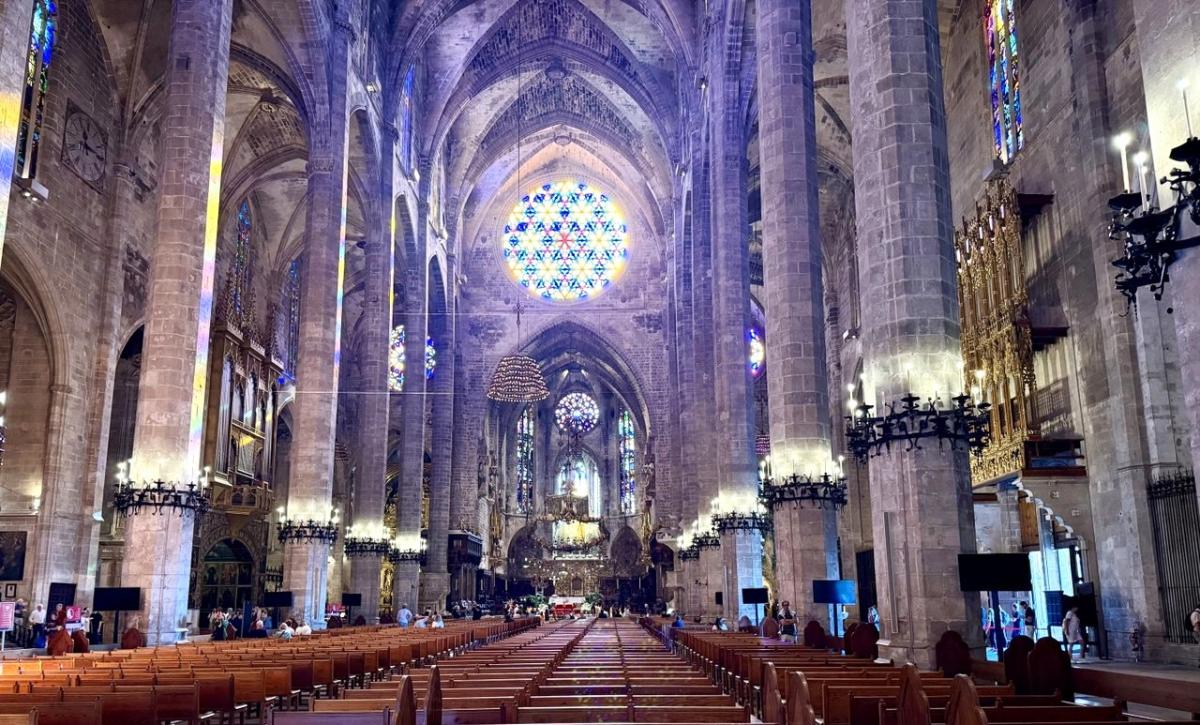
Special attention should be paid to the main circular stained-glass window, the “Sun of Gothic,” which has a diameter of approximately 13 meters and is considered the largest stained-glass window of its kind in Europe (at least according to the audio guide, which costs an additional 5 euros). On certain days of the year, when the sun is at the right angle, the light from the “Sun” creates a double rainbow rosette effect inside the church, which can even be captured by a camera. In addition to the main stained glass window, there are 36 more stained glass windows around the perimeter of the cathedral, which also cast colorful light over the cathedral. It’s truly impressive!
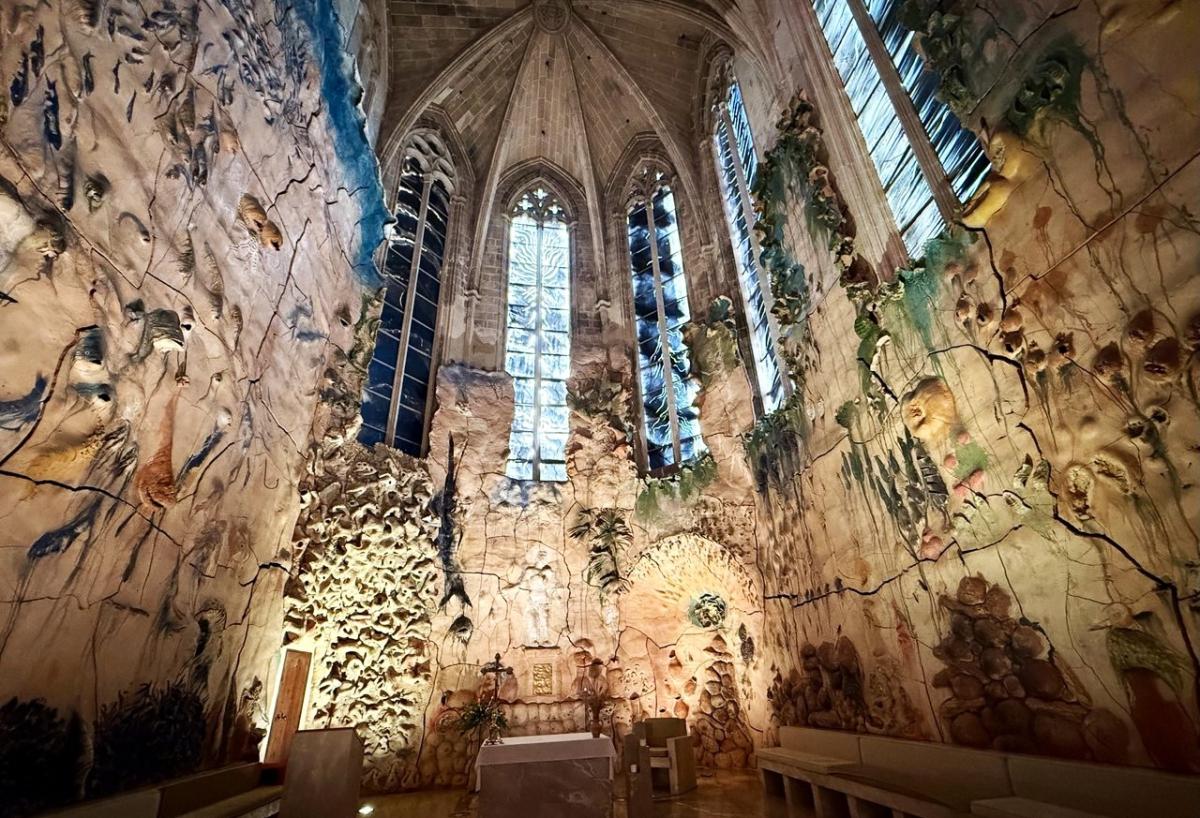
In the 20th century, the famous Barcelona architect Antoni Gaudí joined the decoration of the cathedral: he designed a new altar and improved the lighting to emphasize the natural play of light in the space. And not so long ago, at the beginning of this century, the contemporary artist Miquel Barceló created impressive ceramic reliefs on biblical themes in the Chapel of the Holy Sacrament, which will definitely impress with its “non-biblical” approach.
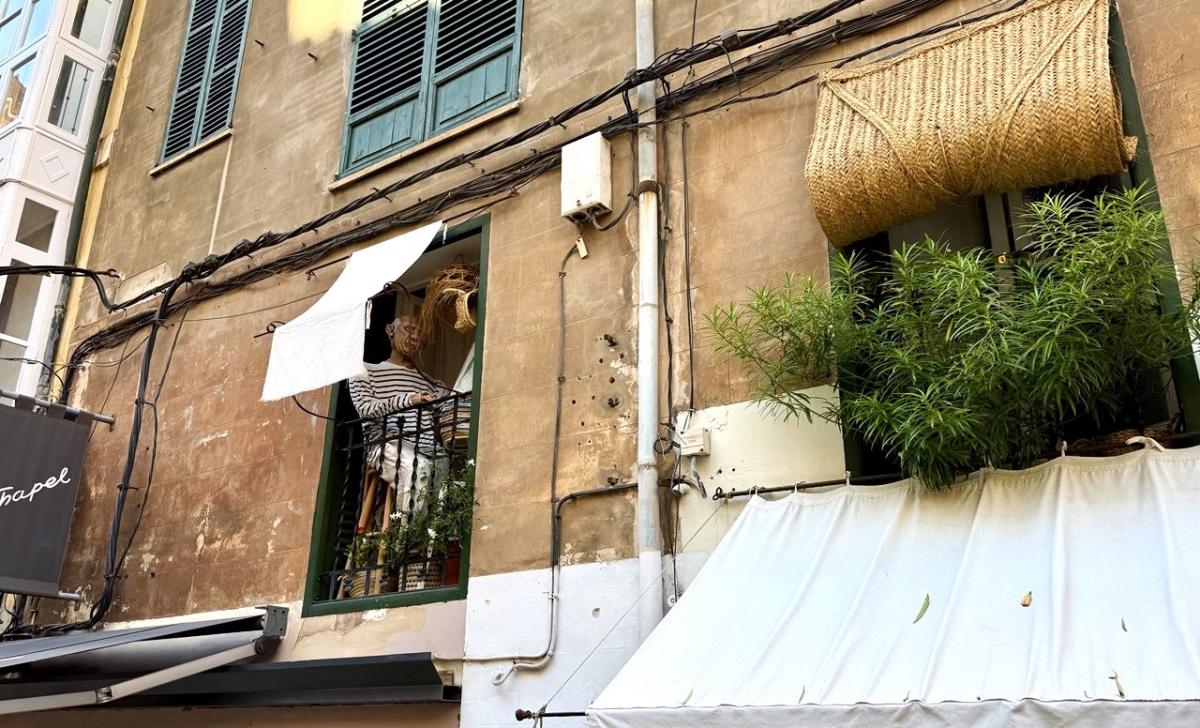
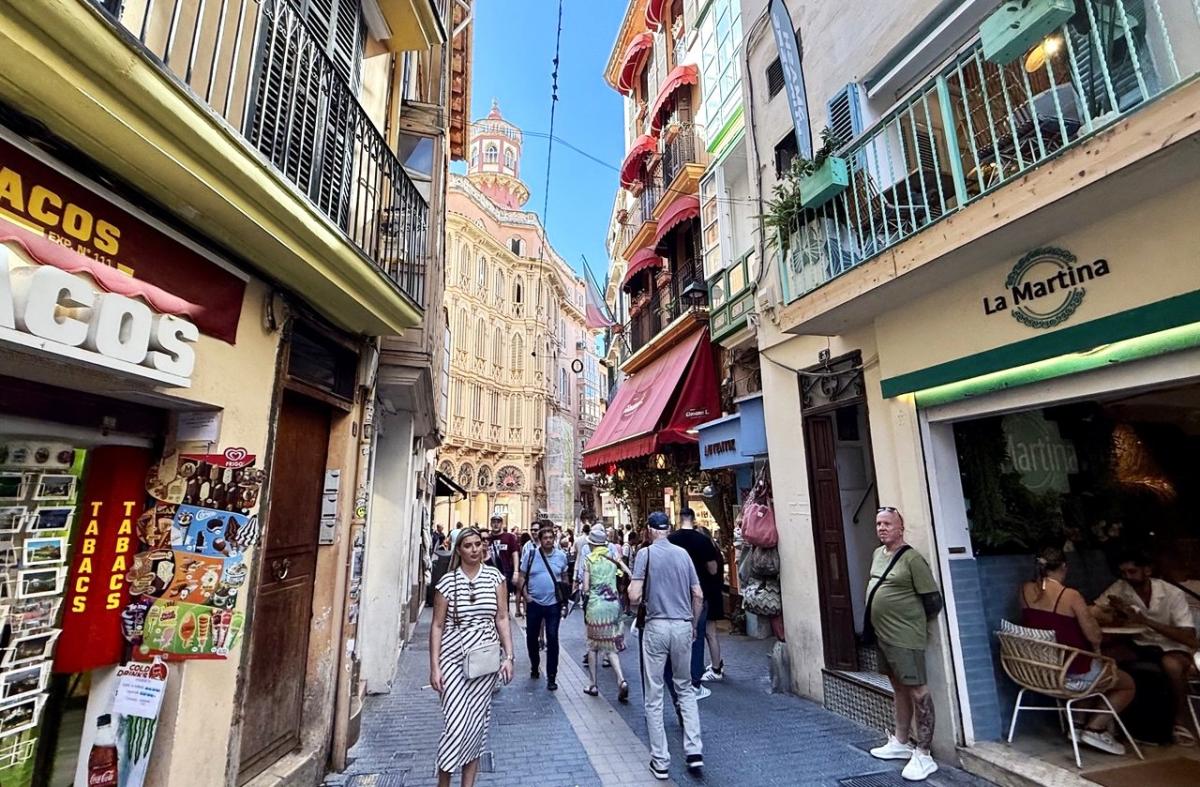
The Palma Cathedral is located near the sea, next to the Almudaina Palace, but the latter pales in comparison. It is worth taking a walk along the former residence of the kings to the City Hall, from which numerous narrow and very atmospheric streets radiate in all directions. It is pleasing to see that not only the storefronts and entrances to the houses, but even the second and third floors and balconies of many buildings in this area are tastefully designed.
Be sure to see the city council building, built in the XVII century, in the center of the capital. It may seem strange to some, or “too Spanish” to others (I’ve heard this before), but in fact the main facade is a real work of art with carved balconies, massive wooden shutters and decorative details. Above the entrance hangs the legendary clock with a large wooden figure “En Figuera”, which has become a symbol of the Palm Tree and is often found in tourist photos. Their history goes back several centuries.
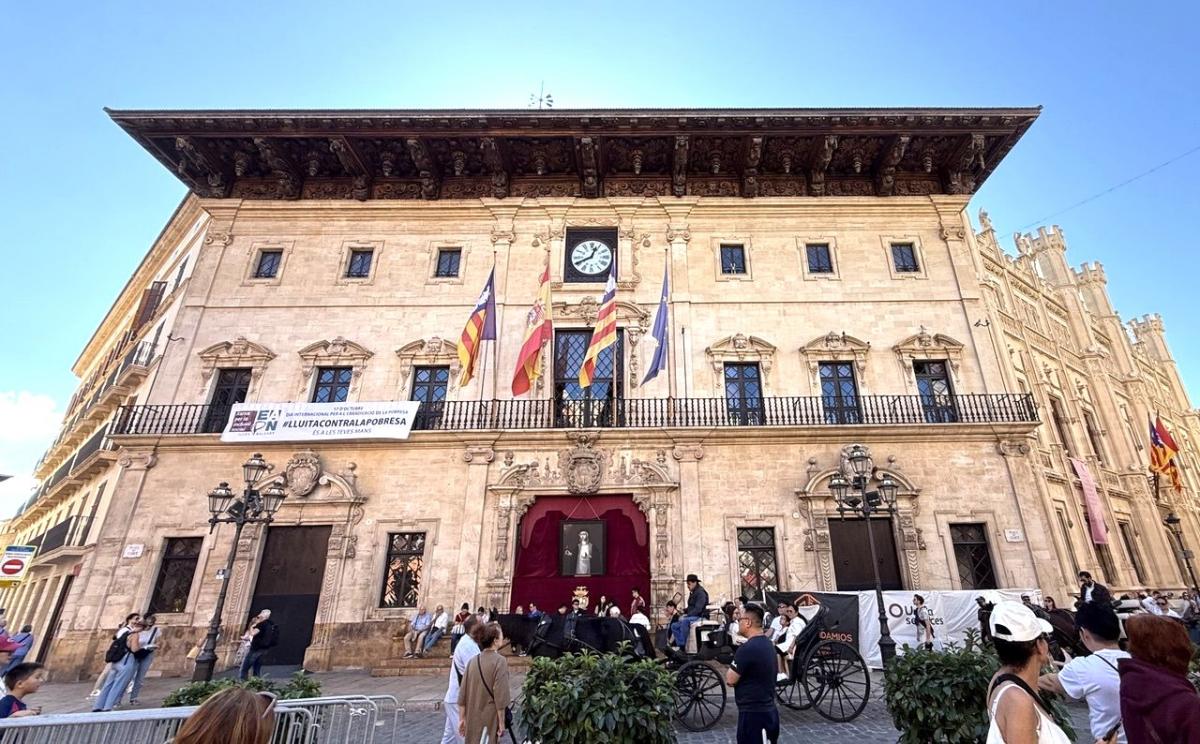
Another highlight of the city hall is the “aspic” balcony with a long wooden bench located under a wide protruding roof-altera. This wooden canopy extends three meters from the walls and impresses with wood carvings created by the outstanding master Gabriel Torres. Every tourist finds it necessary to take a picture of the altera and sit on the bench under it.
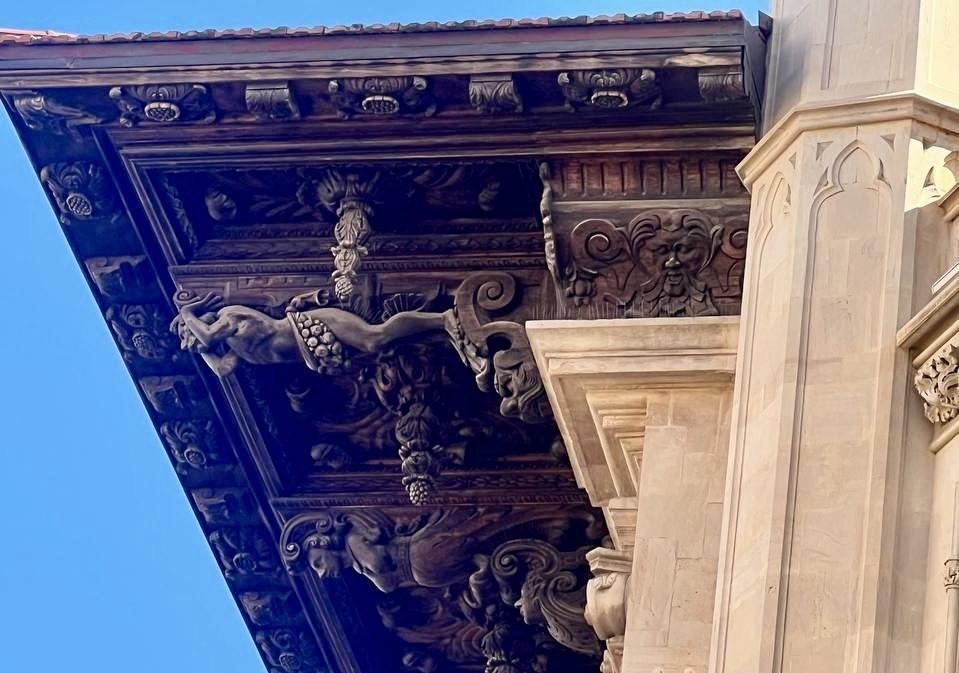
Opposite the City Hall, there is another tourist attraction: the oldest natural monument in Palma, the olive tree on Plaza Cort. Tourists are told that the tree is at least 850-900 years old, and it is an important symbol for the locals.
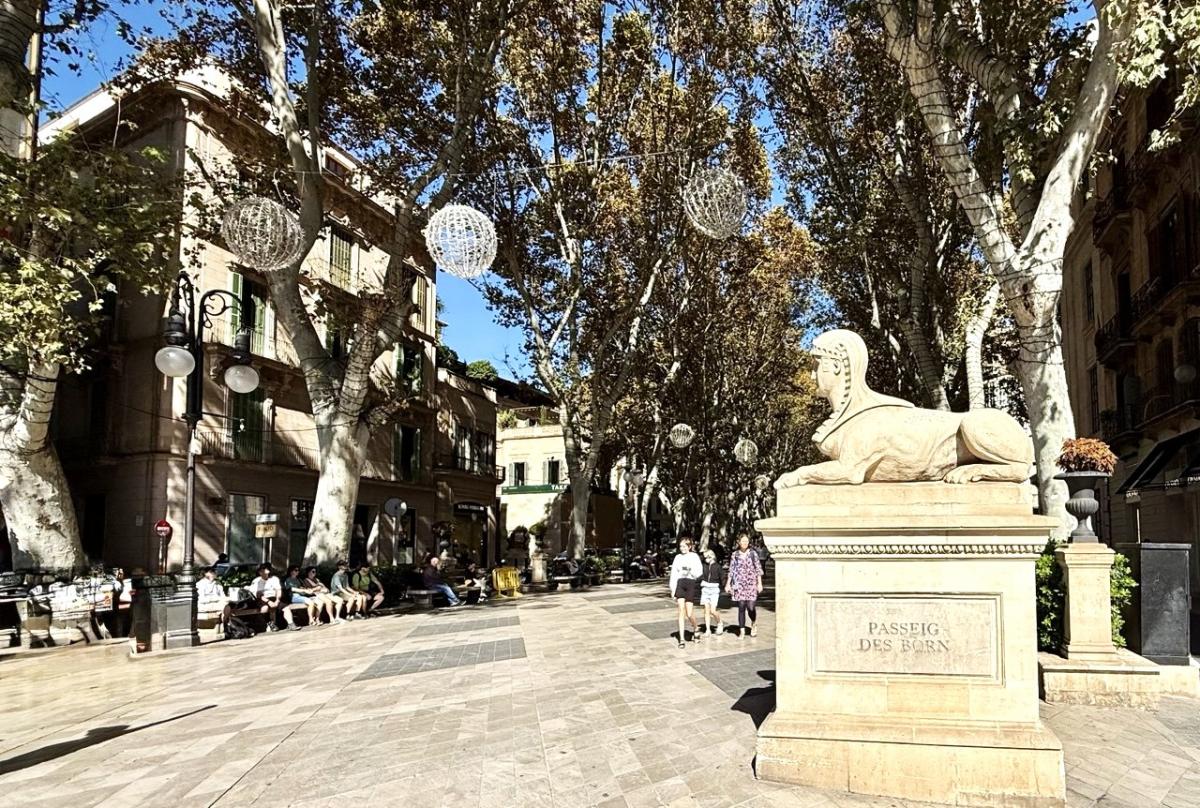
In addition, tourist guides and numerous websites suggest that tourists should also visit the main shopping center of Mallorca, Passeo des Born. This street is indeed beautiful, but not because of the shops that line both sides of the wide boulevard (which are common in every European city), but because of the plane trees that line the street and provide shade. There are also small cafes located between the trees, allowing visitors to enjoy coffee or wine while taking in the stunning views.
What to see outside the resorts
There are a lot of interesting things outside of a seaside holiday in Majorca, said a woman from Majorca named Slava. According to her, it is worth renting a car (or taking it by ferry from Barcelona) and going to the Serra de Tramuntana, a mountain range in the north-west of the island, which is a UNESCO World Heritage Site. For hiking, you can choose the Camí de s’Arxiduc or GR-221 path, which crosses the entire Tramuntana mountain range. This 9-kilometer-long stone-paved road, dating back to the 19th century, offers a glimpse into the diverse flora and fauna of Mallorca, as well as breathtaking sea and mountain views.
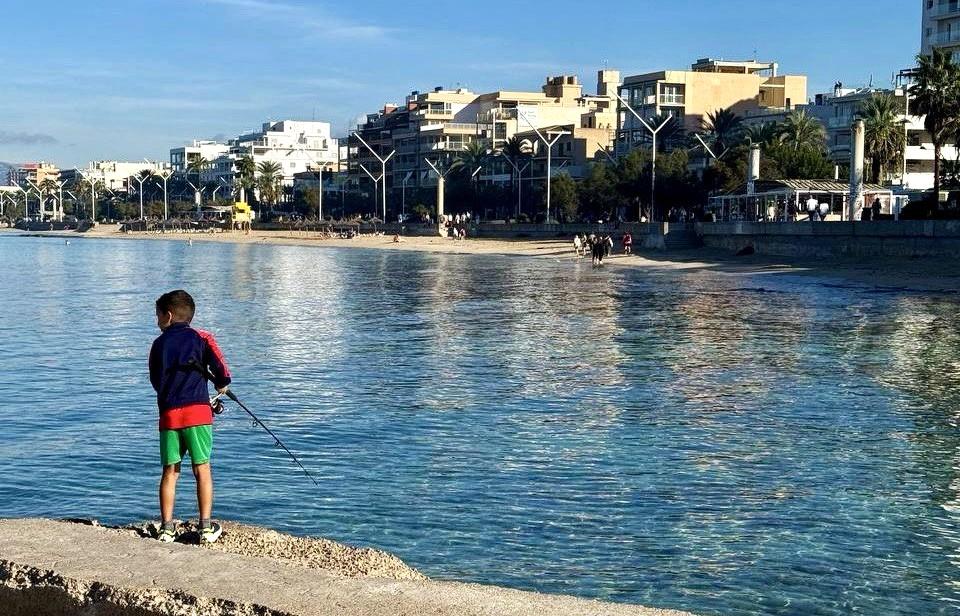
Cyclists also love Mallorca. In the spring, professional teams often train here, and many of them love the legendary Sa Calobra cycling serpentine.
Another interesting place to visit is Valdemosa, where the composer Frédéric Chopin once lived and is said to have composed some of his most melancholic melodies.
“Tourists are also often invited to see the sunset on the cliffs of Cap de Formenor, visit the magical harbor of Port de Soller, and take a tour of the Dragon Caves (Cuevas del Drach). The former may not be very worth the attention, but the latter is truly atmospheric,” Maria, a tour operator, told the author before the trip. “There are beautiful stalactites, an underground lake, and in addition, a short classical music concert is often organized for tourists, which sounds very good in the silence of the cave.”
What to try in Majorca
Majorca has its own special culinary style, according to tour operators and locals. They recommend eating seafood, special sausages, a must-try paella, and sweet pastries.
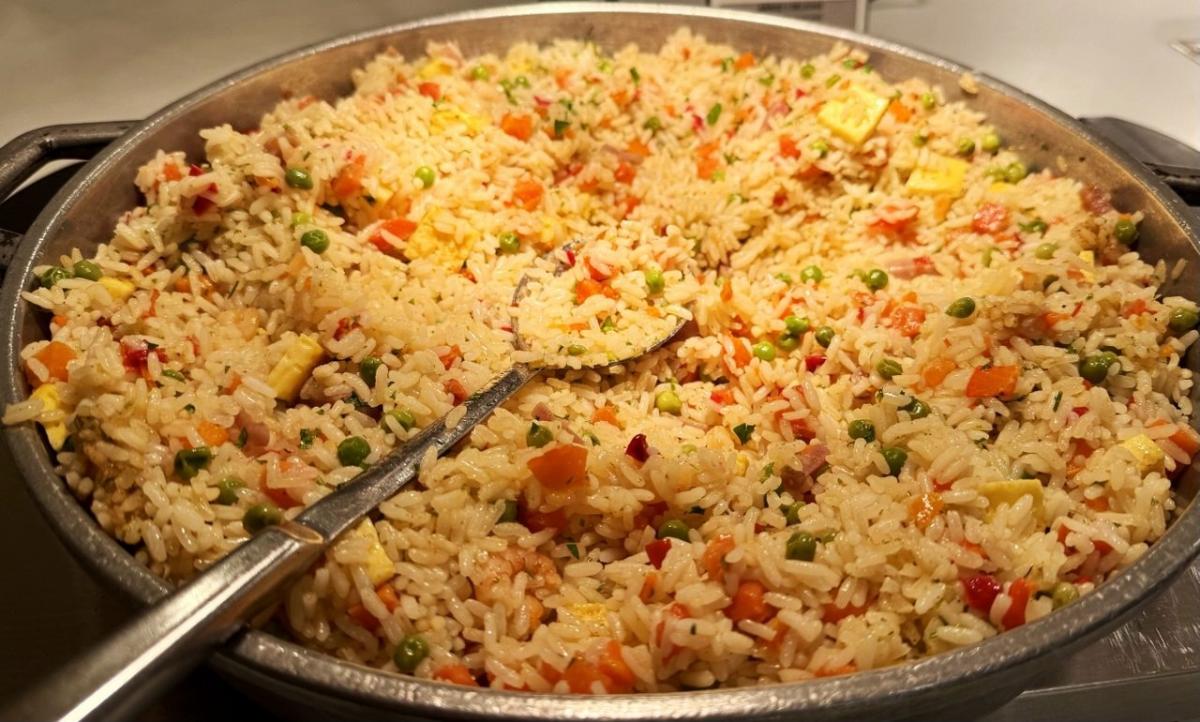
Paella is a traditional Spanish dish made from rice, which is cooked in a wide, low pan. Although snobs call “real” only paella from Valencia, where it comes from, in fact, delicious variations of the dish are served throughout the country. Someone will say – pilaf, which we are used to cooking in Ukraine. In fact, the Spaniards add a lot of different spices to paella, mainly saffron and legumes, tomatoes, as well as seafood, meat, sometimes they are combined. I once saw a paella made from… pasta. It was delicious!
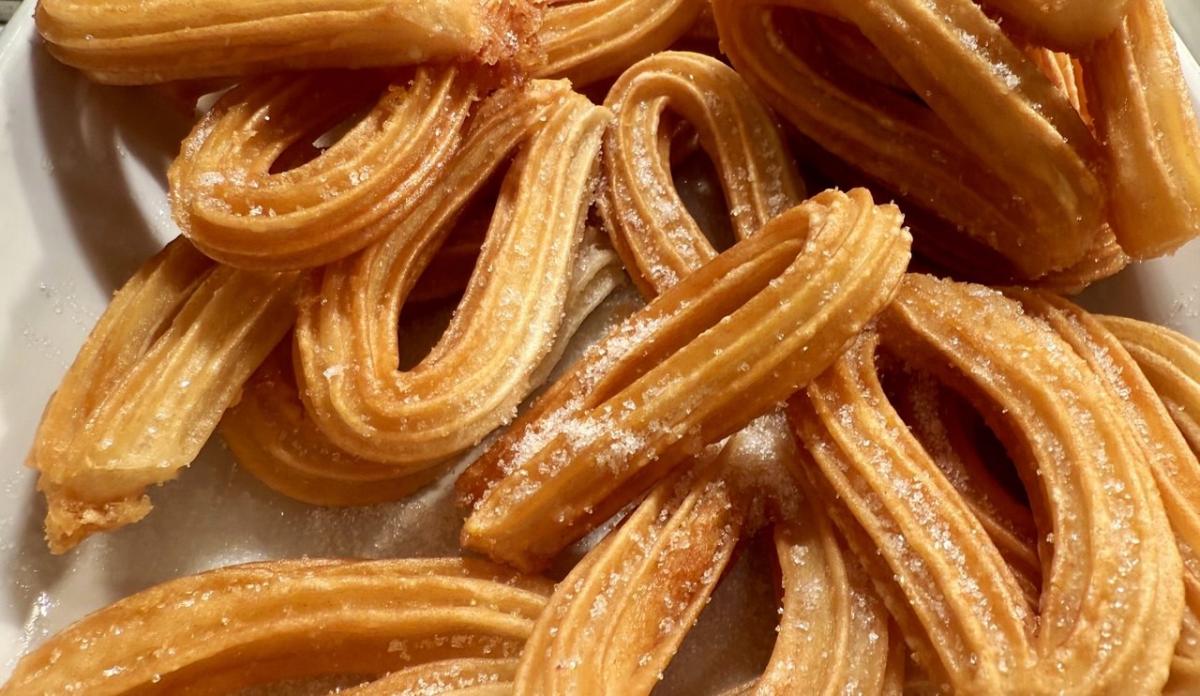
For sweets, tourists in Mallorca (as well as probably all over Spain) will be offered churos – a sweet pastry made from a custard dough, which is usually fried in oil and sprinkled with powdered sugar. Not a bit greasy dessert, but tastes are different for everyone.
From Mallorca, they usually bring “Sobrasada” (Sobrasada), a traditional dried sausage from the Balearic Islands, made from minced pork, paprika, salt, and other spices. It has a soft, pate-like consistency that can be spread on bread. To be honest, it doesn’t look very appealing… However, when we were offered to bake sandwiches with Sobrasada and honey, it turned out to be delicious, albeit unusual. This type of sausage is often available at Duty Free when returning home from Mallorca, as the packaging ensures that it does not spoil during the long journey.
Locals also recommend visiting the Binissalem wine region and tasting their white wines.
How to get to Majorca
The easiest way is, of course, to take a direct flight from many European cities, including Budapest, Warsaw, Vienna, or Krakow.
As for flights, during the season, round-trip tickets can cost 300-400 euros from European cities, while off-season tickets can be purchased for a third of that price. Package tours (including flights and accommodation) can offer even more affordable options.
There is also a regular ferry service from Barcelona to Palma, which takes about 6 hours and is a great option for those who want to travel to Mallorca with their car.
How are tourists perceived in Majorca
According to open sources, last year the Balearic Islands were visited by a record 17.8 million people from mainland Spain and abroad. According to preliminary forecasts, this year the figure should be the same. The fact that the island is visited by a huge number of people is evidenced by the new airport – it is simply huge, and planes land and take off every ten minutes, even in the off-season. Given this, it becomes clear that in the summer on the island, as well as throughout Spain, protests by local residents against excessive tourism continued.
As The Express reported in July, the activists achieved their goal, as many vacationers, especially British tourists, chose not to visit Mallorca. As a result, the local tourism industry faced difficulties, as restaurants and beaches were left without customers.
At the same time, according to media reports, the Balearic authorities have set a course to limit overtourism: more control over rental housing, limit/reduce car rental, increased attention to “alcohol tourism”, balconing, etc. By the way, tour operators warn about fines for drinking alcoholic beverages, but this does not prevent the locals from selling drinks directly on the beaches.
But the general impression as of October is that it is safe to go to Mallorca. At least, this is the feeling that I got from talking to taxi drivers, hotel administrators, and cafe owners. Moreover, the people who live off tourism even say that they have no other source of income, so they didn’t always support the activists.
“The protests were more against the ‘mass tourism model’ than against the guests themselves. There were some demonstrations, such as the ‘water guns’ in Palma, but they were exceptions rather than the general atmosphere,” said a taxi driver who picked them up from the airport. When he heard about the tourists, he reassured them about the safety on the island and wished them a speedy victory.
Oksana, who flew with the author of the text to visit her family, confirmed this opinion and said that she has been living on the island for more than 15 years. She has a family here, who owns a small hotel in one of the resort areas of the island.
“We work from April to November and accept tourists from all over the world,” the woman said. “Now, the main season is coming to an end, and a slightly different, more peaceful life is beginning. We always welcome tourists, especially those who have been increasing in number recently, such as IT specialists and marketing professionals who stay on the island for extended periods. Therefore, do not fully trust media reports about our lack of hospitality, as our business would not exist without tourists. How would we survive?”
According to her observations, the only thing that has changed is that Majorca has become a little “stricter” about uncivilized behavior.
“If you respect the rules, you’ll get the usual warm welcome and a relaxing vacation,” says Oksana.
Mallorca is definitely a place worth visiting. If you choose the right time and behave properly, you can also save money and receive a warm welcome from the locals.