
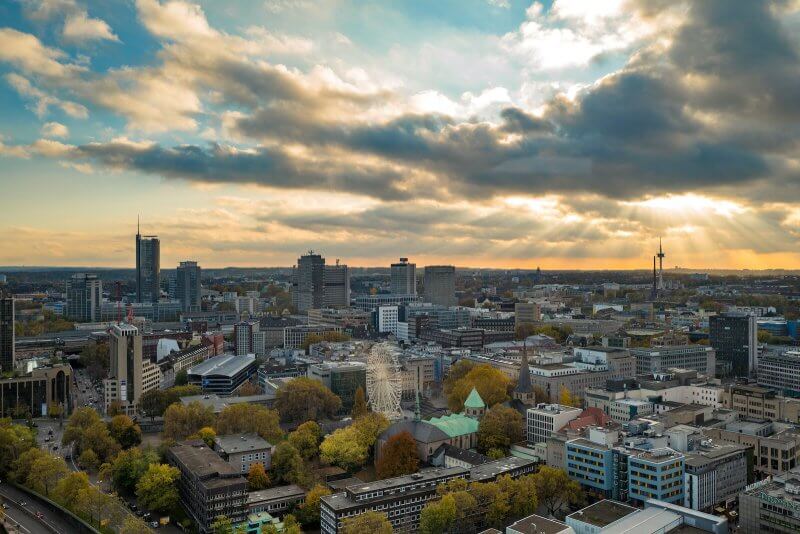
The city of Essen, Germany, may not be able to compete with other European cities in terms of architecture, and its museums do not have extensive collections. However, it does have one of the world’s best Formula 1 tracks and a UNESCO-listed coal mine.
General information
The city of Essen is located in Germany (FRG), in the central part of the Rhine-Ruhr region, which is considered one of the largest urban agglomerations in the world. With an area of 210.34 km² and a population of 592,000, Essen is ranked 9th on the list of the largest cities in Germany. 37 km east of Essen is Dortmund, and just 23 km west is Duisburg, a city of abandoned factories.
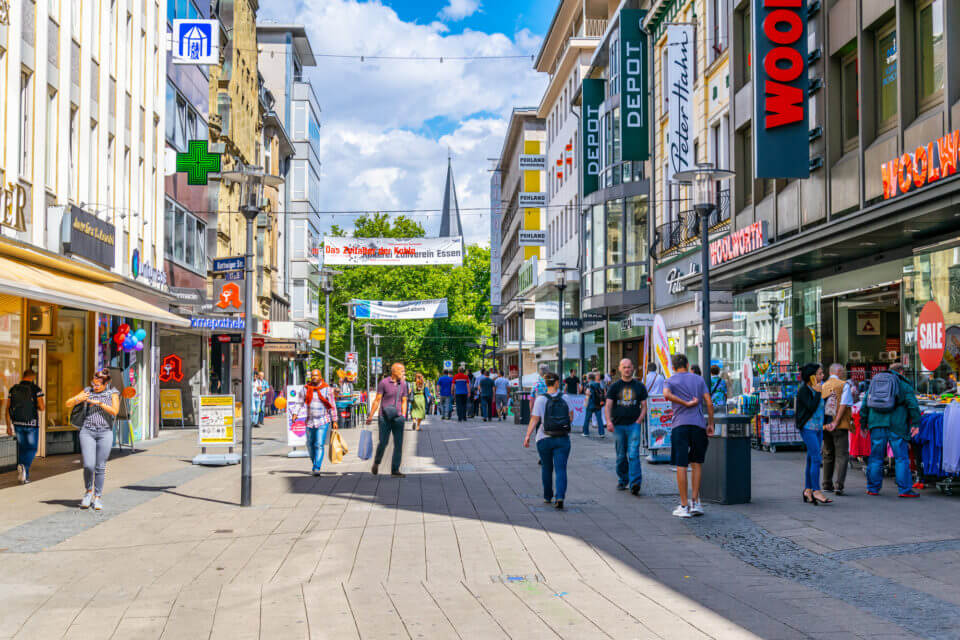
Essen is the center of the country’s business life, and 11 of the 100 largest German industrial companies are based there. Every year, the luxurious hotels of this modern business city host business elites from around the world for important deals.
Historical background
The history of Essen began in 800, when the Verdun Abbey was established in the area. In the mid-9th century, a Benedictine nunnery (a semi-monastery for noble ladies) was established on the banks of the Ruhr River, and settlements began to form around it. In 1003, the settlement was surrounded by high defensive walls at the behest of the abbess of the monastery, and this marked the founding of Essen. Throughout its history, Essen has been ruled by various individuals:
- the city was originally part of the County of Mark and, accordingly, belonged to the Counts of Mark;
- in 1495, it was acquired by the Dukes of Jülich-Cleves-Berg;
- it was part of Brandenburg since 1609;
- In 1801-1803, Essen and the surrounding lands were taken over by the Prussian state;
- In 1807, the city was annexed to the Duchy of Berg;
- In 1814, Essen became part of Prussia again.
In the early 19th century, a coal deposit was discovered near the city, and by the 20th century, there were about 80 mines operating there. Essen grew rapidly, and its industry and economy flourished. The Ruhr region, which became a major agglomeration in Germany, was established around the functioning metallurgical plants and mines.

During the Second World War, as a large-scale coal basin of Europe and a region of concentration of the Nazi steel industry, the Ruhr region was almost wiped off the face of the earth. That is why the cities revived after the war, including Essen, are deprived of their historical appearance.

In 1948, the city’s boundaries were expanded to include nearby settlements, covering an area of 188 km² from the Ruhr River in the south to the Rhine-Herne Canal and the Emscher River in the north.
Places of interest in Essen
The sights of Essen are different from those in other European cities. This is what makes a trip to Essen interesting and unique.
Zolferein Mine and the Red Dot Design Museum
In 1986, the last coal mine in Essen was closed. Today, Zeche Zollverein Schacht XII is a UNESCO World Heritage Site as a monument to industrial development and a multifunctional cultural complex.

Several cafes and restaurants have been opened on the territory of the former industrial center. In the summer, there is a swimming pool, and in the winter, there is a large ice rink. During the Christmas holidays, the complex organizes interesting activities for the whole family.
Some of the premises are used as museums, the most symbolic of which is the Coal Road Museum. The Ruhr Museum tells the story of important historical events, local nature, and culture. The Margaretenhoh Museum showcases an extensive collection of ceramic artworks created by local artisans.
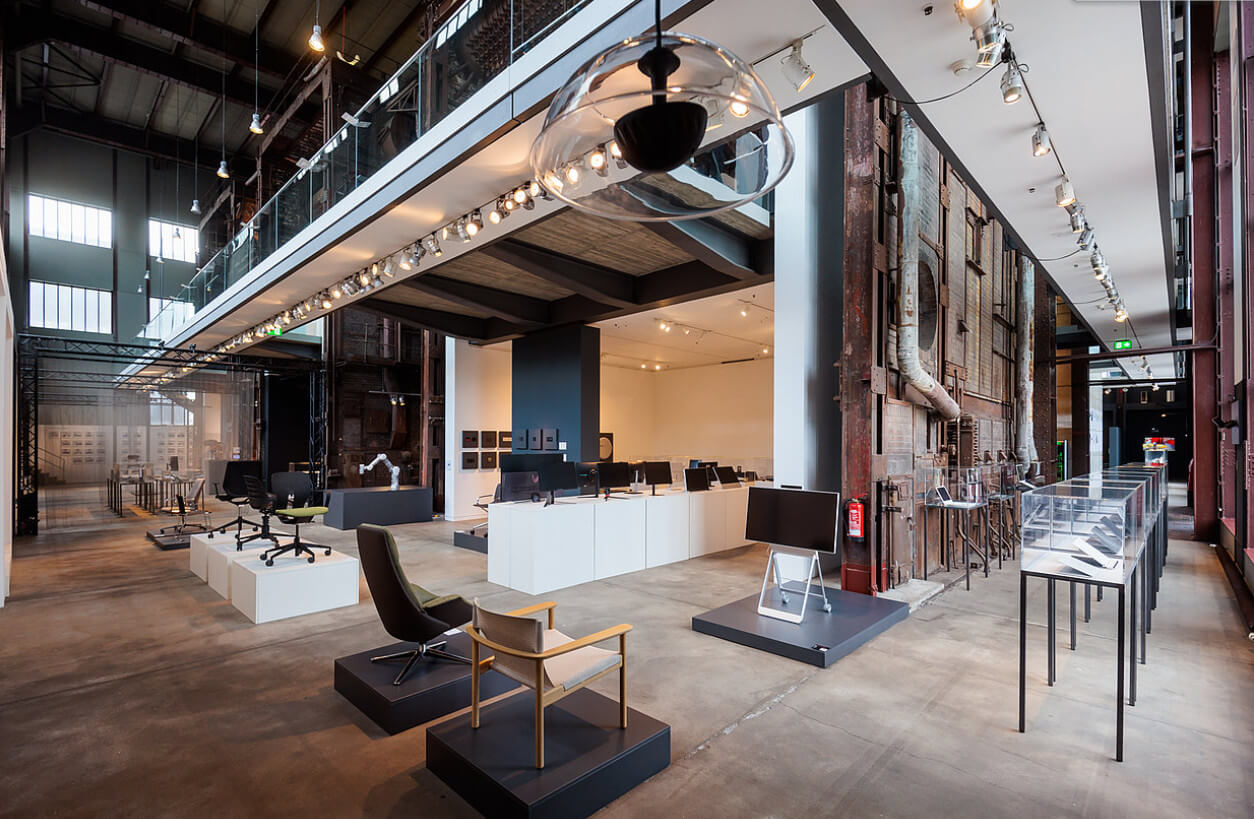
Some of the industrial premises have been converted into a design center known as the Red Dot Design Museum. This center was created to promote design by hosting presentations and exhibitions on various aspects of contemporary culture. The exhibition halls, spread over five floors, feature approximately 1,500 items from 40 countries and across various disciplines.
- Address: Gelsenkirchener Str. 181, 45309 Essen, Germany.
- The Zeche Zollverein Schacht XII complex is open 24 hours a day, and admission is completely free.
- Website of the cultural complex: https://www.zollverein.de/
- Red Dot Design Museum is closed on Mondays, but it is open on other days from 11:00 to 18:00. Children under 11 years old can enter for free, and adults can purchase tickets for €6.
- Red Dot Design Museum website: https://www.red-dot-design-museum.de/essen
Grugapark Botanical Garden
There is a good place for family recreation in Essen – the huge botanical garden Grugapark. The entire territory of the park is divided into thematic zones, there are beautiful sculptures and fountains everywhere.
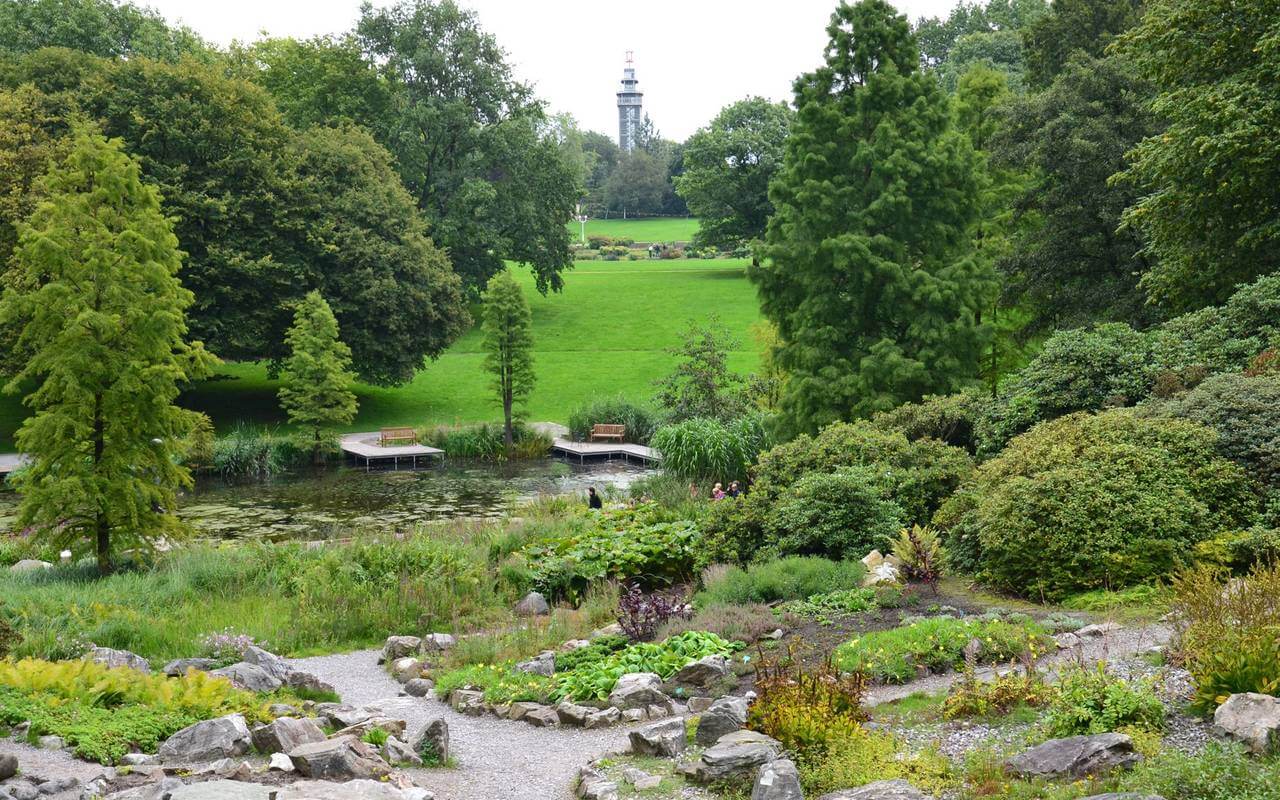
Grugapark has a mini-zoo called Damwildgehege, which is home to deer, fallow deer, and moose. There is also a picturesque pond with many animals, including ducks, swans, and flamingos.
For young visitors, the garden has a playground with swings, slides, and a spider web.
There are 3 summer pools in the unique Grugabad area: a medium-sized pool, a huge pool, and a wave pool. There are always a lot of people there when the weather is nice.

Grugapark Therme is a spa with swimming pools, saunas, and relaxation areas, perfect for those who want to unwind after an active day.
- The park is open all year round from 7:30 a.m. until sunset. Please check the website for ticket office opening hours.
- Admission is free for children under 6 years old, and is paid for other categories: 4 € for adults, 1.2 € for children from 6 to 15 years old, and 2.5 € for students from 16 years old and above.
- Address: Messepl. 1, 45131 Essen, Germany.
- Website: https://www.grugapark.de/aktuell_1/Startseite_Grugapark.de.html
Villa Hugel
A true symbol of Germany’s industrialization era is Villa Hugel, located in the city of Essen. The estate was built in 1870 by Alfred Krupp, a prominent industrialist who played a significant role in transforming a small mining town into an industrial powerhouse.
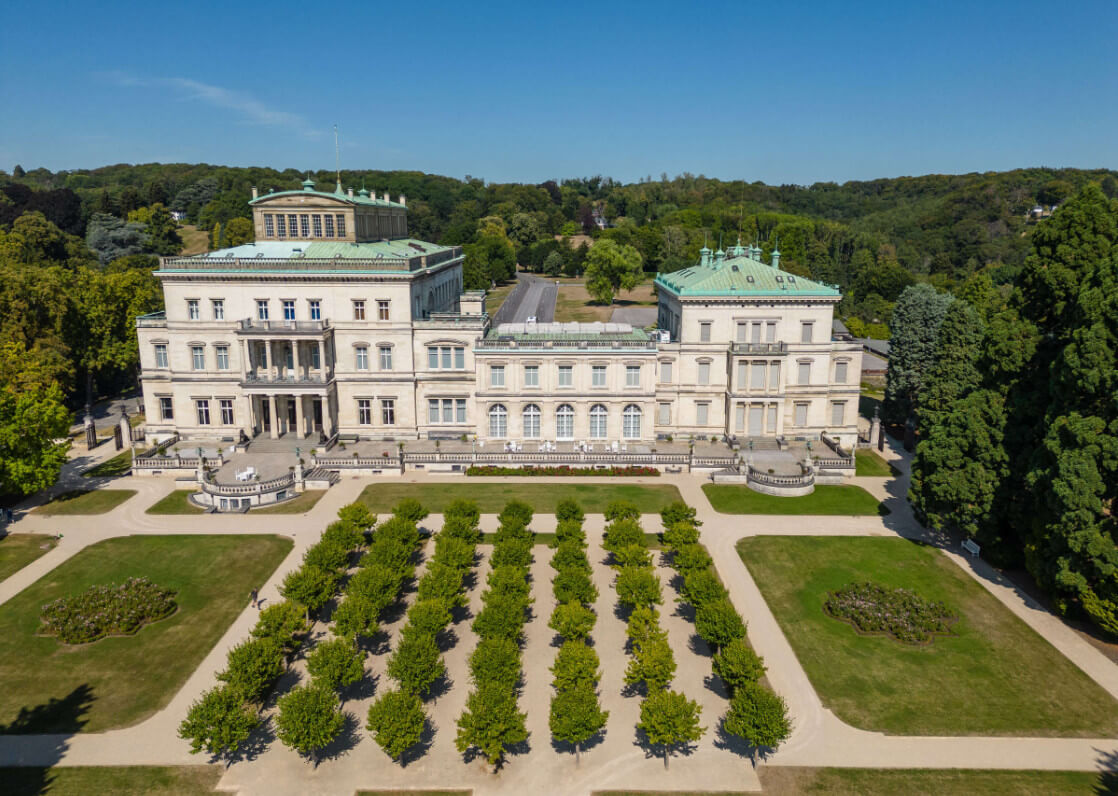
In German, Villa Hugel means “Villa Hill”. This name is due to the location of the estate on a hill overlooking the Ruhr Valley and Lake Baldeney.
The estate consists of the main building and a guest annex. The villa, a beautiful and majestic structure, is a prime example of Gründerzeit architecture. The building has 269 rooms with a total area of 8,100 m².
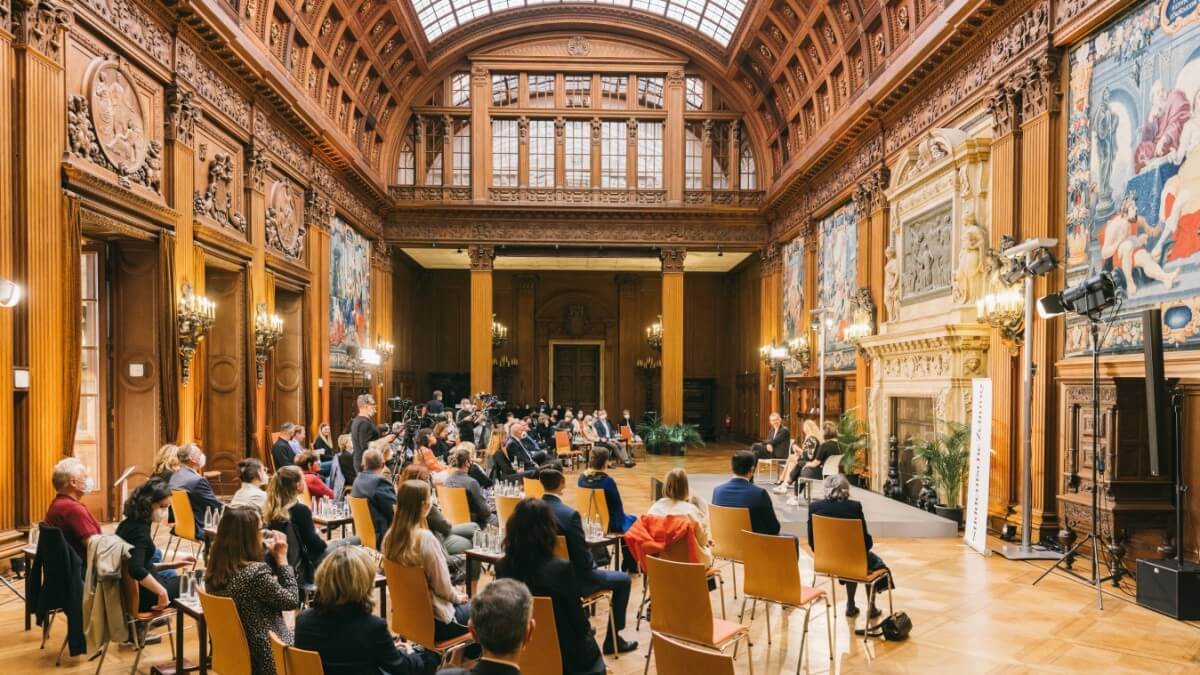
In 1984, Villa Hugel was transformed into a museum, the permanent exhibition of which is dedicated to the history of the Krupp Corporation. The museum also contains paintings, engravings and sculptures of famous masters of the 19th century, the Tibetan exhibition is of particular interest to many visitors.
The architectural complex is surrounded by a quiet classical park with numerous paths, sculptures, and gazebos.
- The villa is closed on Mondays, but it can be visited on other days from 10:00 to 18:00.
- The entrance fee is 5 €, and tickets can only be purchased at the ticket office for cash.
- Address: Hugel 1, D-45133 Essen, Germany.
- Website: https://www.villahuegel.de/
Essen Cathedral
The most important historical symbol of the city is the Catholic Cathedral of Saints Cosmas and Damian, located in the very center.

This unique structure, which is built in the Romanesque style, was constructed in the 14th century. During World War II, the cathedral was almost completely destroyed, but after seven years of restoration work, it was rebuilt and restored to its former glory.
At the bottom of the cathedral, there is a crypt that was built much earlier, in the 10th century. Historians have discovered many unique artifacts there, most of which can be seen during a visit to the cathedral. The most interesting find is an ancient sculpture of the Madonna, the patroness of the Diocese of Munster. This 74-centimeter-tall sculpture is made of wood and covered with gold leaf.
- The cathedral is open from 6:30 a.m. to 6:30 p.m.
- The cathedral often hosts guided tours, and you can check the current offers on the website.
- Website: https://dom-essen.de/
- Address: An St. Quintin 3, 45127 Essen, Germany.
Stadtgarten Park
Stadtgatens Park is the oldest public park in Essen and the largest green area in the city. In addition to its spacious lawns, the park features a picturesque pond with a fountain. Tourists who want to preserve their memories of Essen, a unique city in Germany, for a longer period can take photos and videos in this attractive and peaceful setting.
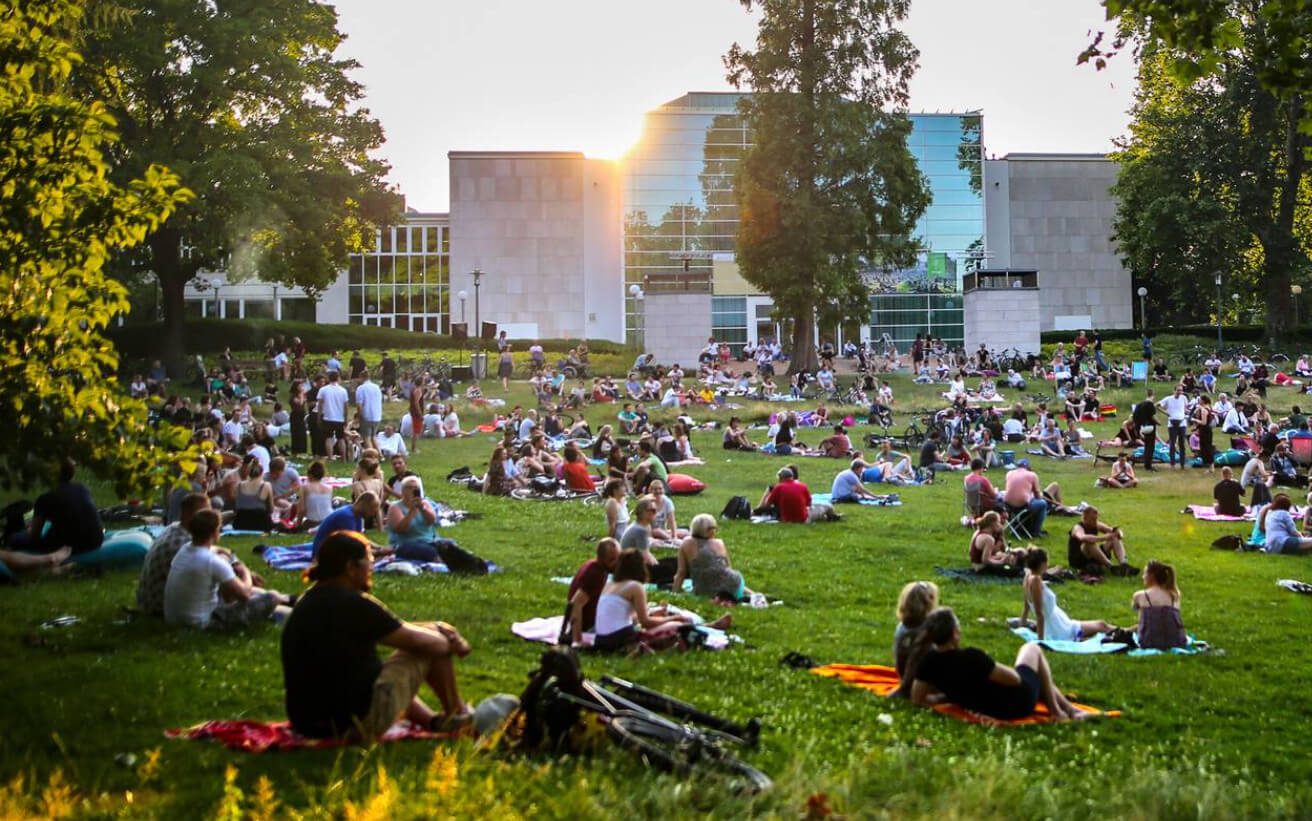
- Location: Luhrmannstr 80, 45131 Essen, Germany.
- https://www.essen.de/dasistessen/leben_im_gruenen_/parks_und_gruenflaechen/stadtgarten.de.html
Old Synagogue
The most impressive and best-preserved architectural testament to the Jewish culture of pre-war Germany is the Alte Synagoge in Essen.

In 2008, the city authorities decided to establish a House of Jewish Culture in the former synagogue building. The Byzantine-style building was renovated and expanded to include new exhibition spaces. The Old Synagogue houses exhibitions that explore Jewish culture, religion, and German-Jewish history. It also hosts temporary exhibitions, concerts, and performances.
- The permanent exhibition is open from Tuesday to Sunday, from 10:00 to 18:00. Monday is a day off.
- Guided tours of the exhibition halls are held on the 1st and 3rd Sundays of each month, starting at 15:00. The price is 3 € per person.
- Website: www.essen.de/leben/kultur_/alte_synagoge/alte_synagoge_startseite.de.html
Where to stay for a tourist
As the website trip.com shows, there are approximately 400 hotels in the city of Essen. All of them are very diverse, but they have one thing in common: when festivals or exhibitions are held in the city, it is very difficult to find a room and it will be expensive.
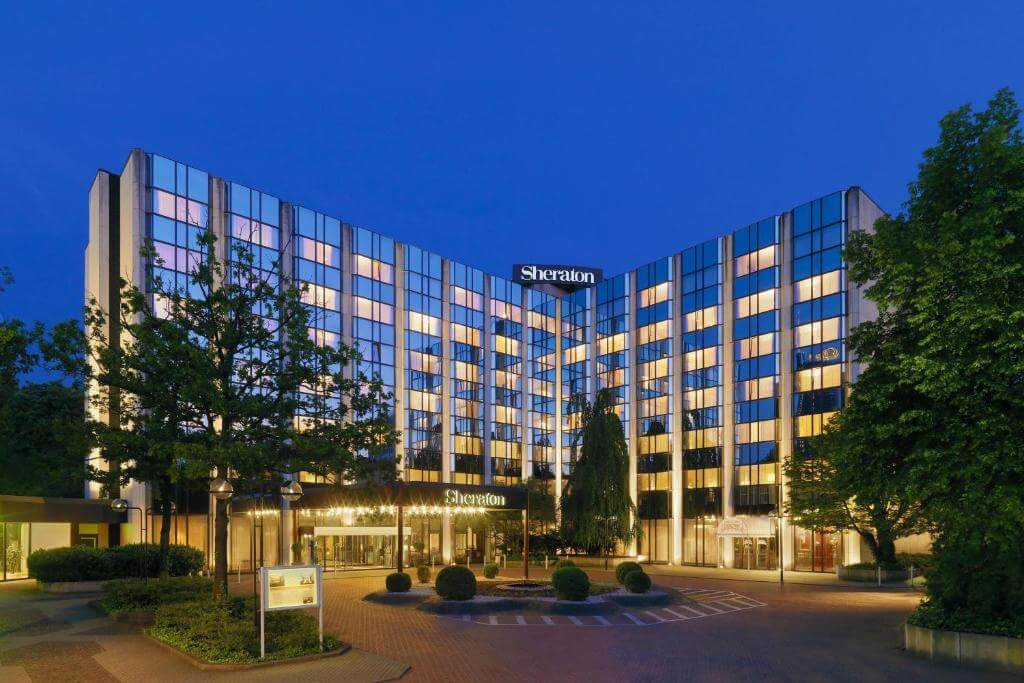
There are only two 5-star hotels in the city: the Sheraton Essen Hotel and the Schlosshotel Hugenpoet. The Schlosshotel Hugenpoet has been operating for about 20 years and is located in the 12th-century Hugenpoet Fortress. The rooms in this hotel are designed to give the impression of staying in an ancient castle. There are only 31 rooms, and a standard double room costs 275 € per night, while a suite costs 580 € or more.
You can choose cheaper 3-star hotels, and there are many more of them: booking.com shows about 80 options. Prices range from 55 to 125 €, but the most common prices are around 50-70 €.
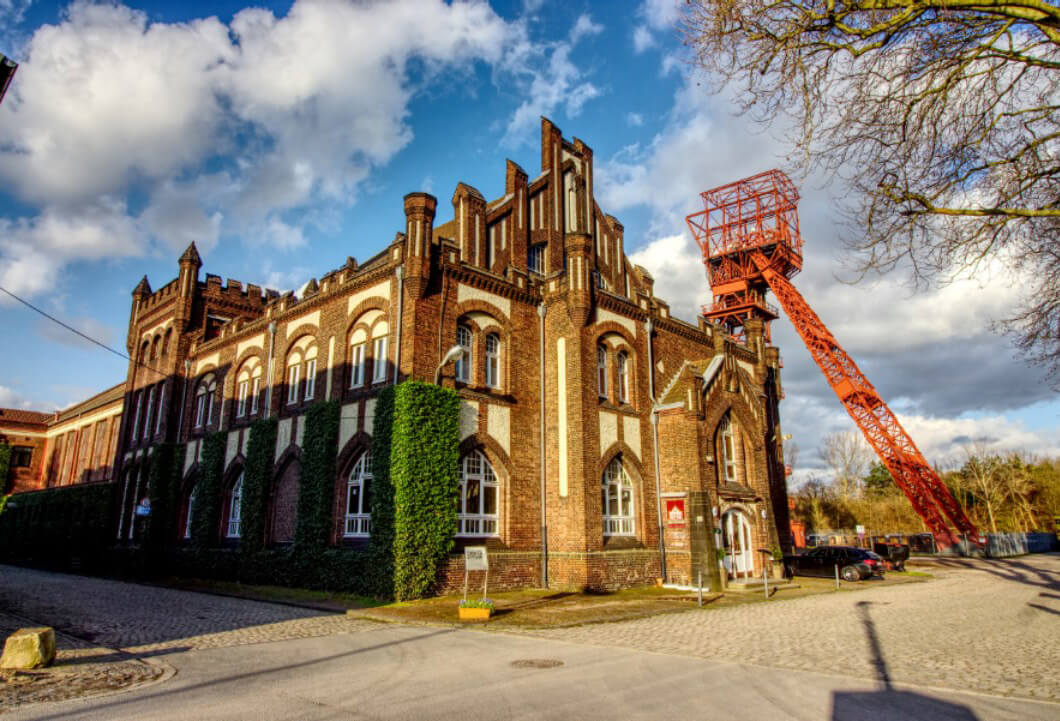
There are very few 2* hotels in the city, with a total of 15-12. The most original of these is the Alte Lohnhalle Kultur- und Tagungshotel, which is located in an old mine management building.
You can rent an apartment for an average of 60 €, although the price ranges from 45 € to 125 €. It all depends on the location and the level of service.
Tourists who want to enjoy nature can rent a house in the forest, in the suburb of Gelsenkirchen, which is 8 km from Essen. Garten Residence Gelsenkirchen is a two-bedroom house with a living room, bathroom, kitchen, outdoor terrace, and barbecue facilities. The price is 160 € per night.
Public transport links
The city transport of Essen is 3 branched lines of the metrotram. Routes of this convenient, high-speed and almost silent city transport cover almost the entire city.
As for intercity transportation, it is also well organized.
Trains
Hauptbahnhof is the main railway station in Essen, and it is one of the 20 most important railway stations in Germany. The city is connected by rail to almost every city in the country. For example, you can take a high-speed train to Düsseldorf Airport in just 25 minutes and for only 10 €.

High-speed trains are very comfortable and really fast, but there is also other railway transport. Trains with the S index are similar to Soviet-era trains that make many stops along the way. There are also two-story regional express trains, which are denoted by the RE index.
Buses
The Essen bus station is located next to the main train station. The small building has ticket offices, a large digital schedule board, a medical room, and a toilet.
From this bus station, you can take buses to small suburban towns, as well as to cities in northern Germany and to the coast.
Planes
The closest airport to the city is Essen Airport (ESS), which is located about 9 km from the city center. The airport serves both local and international flights.
The second most distant, but much larger and more popular, is the Düsseldorf Airport (DUS). It is located 31 km from Essen and also accepts local and international flights.
Interesting facts
Essen is a major exhibition center in Germany, with various exhibitions and salons operating in the city for more than three months of the year:

- Every year, the Essen Light Week takes place. During this exhibition, antique lanterns are installed on the city streets. Designers, decorators, architects, and filmmakers come to witness this display.
- Twice a year, Essen hosts the world-renowned EQUITANA exhibition, dedicated to equestrian sports and everything related to them.
- The Essen Motor Show is held every year and attracts many specialists and car enthusiasts. As a rule, it features non-standard cars: racing, tuned, updated, and improved ones.
- The Internationale Spieltage exhibition, which takes place every year at the Messe Essen complex, is popular among board game enthusiasts.
Other interesting facts about the city of Essen:
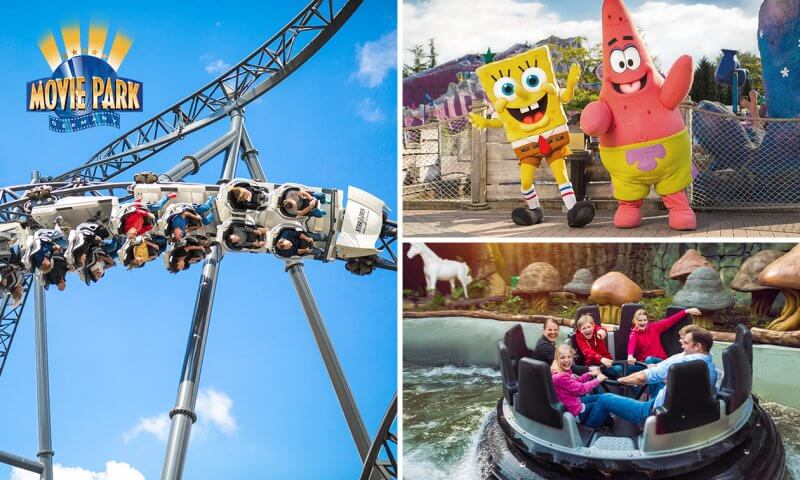
- Just 30 km from Essen is the town of Bottrop with a stunning amusement park Movie Park. The park is created on the analogy of Disneyland, the rides are dedicated to popular children’s movies.
- The artificial Lake Baldenei is very popular among fans of outdoor activities. There are many boat stations, as well as surfing and yachting schools. Every year, the lake hosts an international sailing regatta, bringing together sailing enthusiasts from many European countries.
- There are many refugees from Ukraine in Essen who left at the beginning of the Russian invasion. You can find a lot of useful information for Ukrainian citizens in the group https://www.facebook.com/ukrinfo.essen/ .
- The Ruhr River, which gives its name to the region, flows through almost all of its cities. However, it is only in Essen that it flows into the vast artificial reservoir of Baldeneysee.
- Essen has the largest car market in Europe.
- In the project “Ruhr 2010 – European Capital of Culture”, Essen represented the entire Ruhr region. The city was then recognized as the “European Capital of Culture”.
- Essen, Germany is a real paradise for shopping lovers. There are a huge number of shops: both in the giant shopping center Limbeckerplatz and on the central pedestrian street Kettwigier Strasse.